Journeys Where Peaks Meet Tides

Step into Cross-Border Artisan Trails: Mapping Mountain-and-Coast Heritage Workshops, our living exploration of routes where highland passes drift toward tidal coves, and makers keep memory through chisels, looms, and oars. We chart pathways that celebrate shared skills across borders, invite respectful visits to studios, and reveal how geography shapes practice. Expect stories, maps, and practical guidance designed to help you travel slowly, learn generously, and return with more understanding than luggage weight, carrying conversations, textures, and the soft echo of hammers beside surf.

Sketching Pathways Between Ridge and Shore

We begin our mapping at kitchen tables and harbor benches, where elders unroll memories beside paper charts and steaming mugs. Satellite traces meet hand-drawn arrows noting pasture gates, ferry quirks, and winter closures. Each line honors permission, safety, and the patient cadence of work. The result feels like an invitation rather than a checklist, guiding you between languages, altitudes, and tides while keeping respect for private workshops, fragile footpaths, and moments that should be witnessed quietly, not consumed loudly.

Reading the Landscape Like a Ledger

Contours, currents, and customs accounts tally together here. A steep col might explain compact looms designed for pack mules; a sheltered bay might justify clinker-built hulls still favored despite modern composites. We read scree slopes for weather cues and harbor walls for tide marks, learning how craft practice balances scarcity and abundance. Your awareness becomes the currency that opens doors gently, paying attention to what the land and water already audited across centuries of patient, often perilous, making.

Borders as Bridges, Not Barriers

Lines on maps can divide laws but unite lifeways when hands keep sharing. Twin towns host joint markets, bilingual labels, and apprentices who cross morning checkpoints with tools wrapped in cloth. Songs repeat with different verses, regulations shift color, yet gestures of welcome persist. We describe crossings, from pedestrian footbridges to tiny car ferries, and explain paperwork that protects both travelers and traditions. Understanding these bridges helps you arrive as a neighbor, not a novelty seeker, ready to listen longer than you photograph.

Seasonality on the Map

Trails breathe with the year. Snow closes passes, storms darken straits, and solstice fairs briefly flare like lanterns. We mark weather windows, calving seasons, and monsoon patterns that alter kiln schedules and dye baths. You will learn why a studio hums at dawn and rests after lunch, and why certain paths are sacred to migrating herders. Planning with seasons honors practical reality and living rhythms, ensuring your presence supports, rather than interrupts, the choreography that sustains craft communities.

Hands that Carry Valleys and Waves

Artisans anchor this journey, holding tools that translate altitude and brine into form. Their workshops smell of resin, sheep grease, seaweed ash, and hot iron. We introduce makers whose patience bends time: families re-steaming planks, elders tying intricate knots, and teens reviving patterns from archived shawls. Through conversations and careful notes, we share how heritage changes by staying useful, how mistakes teach better than manuals, and why a finished object should still hint at the weather that shaped it.

The Boatbuilder Who Listens to Swell and Grain

In a cedar-scented shed where gulls argue outside, a builder taps planks until the note rings true. He speaks of winter swells, knot placement, and ancestors who mapped sandbars by moonlight. He invites visitors to plane a shaving, then pauses until the plane’s whisper smooths your breath. His vessels are made to forgive mistakes at sea, and his stories remind you that craft is navigation, not ornament. When tides rise, he knots lines with a flourish learned from a grandmother’s mending hands.
A Weaver Threading Alpine Sun into Coastlight

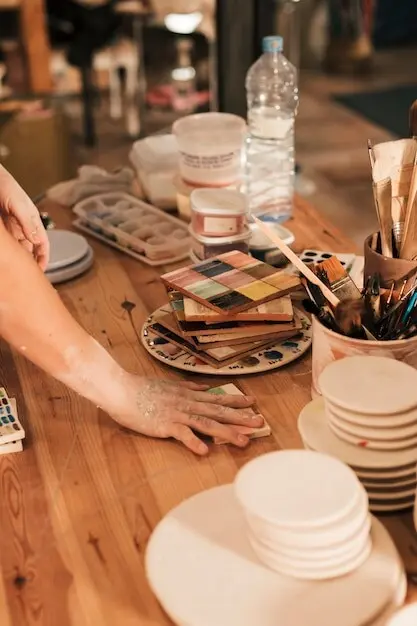
On a balcony facing a staircase of meadows, a weaver throws a shuttle like skipping a stone between slopes and surf. Plant dyes steep in enamel pots beside jars of coastal lichens, coaxing improbable greens and misted blues. She explains patterns named after wind corridors and ferry wake. As you help wind a warp, you feel the mountain’s hush and the harbor’s chatter enter the cloth. Her laughter holds both, teaching that beauty begins where contrast meets continuity without apology.
Glazes Forged from Glacier Flour and Sea Salt

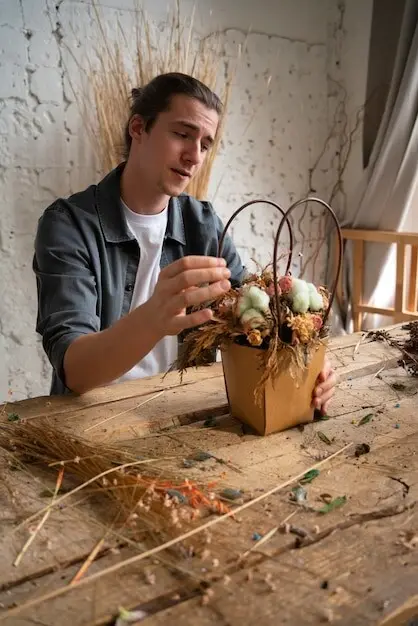
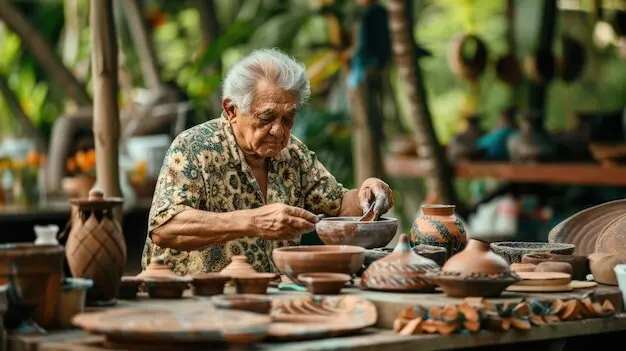
In a courtyard kiln, powdered rock from a high moraine mingles with evaporated salt harvested at low tide. The potter tests ratios, embraces serendipity, and records every firing like weather notes scribbled after a storm. Surfaces emerge that remember fog, sunbursts, and scree. She guides visitors to notice tiny runs that mimic meltwater paths across clay. Holding a cooled bowl, you cradle a small geography, realizing that recipe and route are siblings, and that precision thrives alongside wonder’s unpredictable chemistry.
Planning a Trail that Respects Pace and Place

Good planning makes wonder spacious. We suggest days that leave room for detours, cups of tea, and quiet watching. You will find advice on booking ferries with craft-friendly schedules, timing mountain crossings, and reading local calendars for feast days. We also include simple emergency tips, community contacts, and translation phrases that open smiles. The goal is not to collect stamps but to cultivate a rhythm where each arrival feels earned, and every departure promises a thoughtful return, perhaps with friends.

Slow Modes, Rich Encounters

Walking, pedaling, and riding small regional trains tune your senses to patterns workshops keep. The slower the approach, the clearer the handshake. You hear hammers before you see roofs, notice dye pots steaming behind geraniums, and sense tides flipping schedules. We outline itineraries that favor modest distances and generous margins. Slowness becomes generosity—toward knees, conversations, and ecosystems already working hard. When time stretches, curiosity deepens, and chance invitations to stir a vat or sand a rib often follow naturally.

Customs, Permits, and Courtesies

Borders welcome better when you carry clarity and humility. We explain VAT quirks on small purchases, limits on transporting seeds, wool, or untreated wood, and the etiquette of asking before filming or stepping behind a bench. Simple emails in local languages, prepared with help from cultural centers, smooth introductions. Carry copies of confirmations, and keep cash for small studios wary of fees. Most important, learn to wait: patience signals respect in places where precision, rather than speed, keeps livelihoods afloat.

Weather Windows and Safety Layers

Mountains and coasts mistrust certainty. Packs should hold layers, water, lights, and a printed map in case batteries sulk. We list helplines, ferry alerts, avalanche bulletins, and local radio frequencies still used by skippers and shepherds. Studios may close suddenly to protect drying racks or fresh varnish from a squall. Accept these adjustments as part of the choreography. When you plan with buffers, cancellations become invitations to sit, listen, and learn from the barometer’s insistence that plans must bend, never break.

Shared Songs Across Lines on a Map

Craft travel hums with voices—work chants, lullabies, and sales pitches in markets stitched from languages. Festivals blend bagpipes with sea drums; dances echo rowing strokes and threshing steps. We highlight gatherings where makers teach by telling jokes, mispronunciations become bridges, and recipes travel hidden in aprons. These moments are not performances delivered to spectators, but exchanges among future acquaintances. The more you sing along—quietly, respectfully—the more likely you’ll be trusted with a story that does not fit in a guidebook.

Workshops as Conversation Circles

A bench becomes a table when someone pulls up a stool. We’ve watched apprentices debate knot names while visitors learn to listen with hands steady on sandpaper. Laughter smooths accents, and praise travels best when specific. Ask who taught a movement; ask what the weather was doing. Circle conversations protect techniques precisely by sharing them wisely. You leave with language you can use: not fancy jargon, but phrases that tuck humility into each request to try, err, and try again carefully.

Tastes That Explain the Landscape

Bread leavens slowly at altitude; fish stews thicken differently when cooked over driftwood fire. We recommend canteens where boatbuilders eat, mountain huts with dye-stained aprons on hooks, and markets that pair smoked cheese with brined olives. Flavors tell you why workshops pause at noon or late night. Bring a small journal for ingredients, names, and thanks. Trading recipes, you begin tasting the logic of materials, and you realize hospitality is the oldest tool—sharp enough to open even difficult conversations.

Guardianship Along the Trail

To walk these routes is to accept a little stewardship. We talk frankly about fair prices, consent in photography, and limits on posting geotags that could overwhelm delicate sites. Makers set tempos that protect quality; visitors can match them with thoughtful pacing and purchases. We point to collectives that certify materials and pay, and we suggest small actions—bringing repair kits, packing out litter, thanking publicly without exposing privately. Guardianship is not heavy; it is a gentle habit of choosing care repeatedly.

Pinpoints, Schedules, and Secret Detours

We maintain a living index of pinpoints verified by locals, avoiding rumor trails and closed sheds. Schedules display seasonal shifts—when sheep move, when boats haul out. Between them, we suggest detours: a clifftop bench for sketching hull curves; a spring where dyers rinse skeins to read mineral tints. None of these shortcuts rush you; they broaden attention. Trust the map, then look up, letting the land propose edits that make every itinerary distinct, humane, and weather-wise.

Capturing Craft Without Capturing Souls

Photography and audio can honor, if used thoughtfully. We outline consent phrases, angles that keep trade secrets safe, and ways to foreground hands rather than faces when privacy matters. Short recordings of tools at work often carry more truth than staged portraits. Offer to share files back; makers sometimes need images for permits, grants, or posters. By documenting collaboratively, you help sustain livelihoods and narratives, proving that respect and artistry can easily coexist inside one attentive lens and one steady heartbeat.

Join the Next Ridge-to-Harbor Ramble

This journey grows with every careful step and shared insight. We invite you to subscribe, comment, and suggest small studios tucked behind bakeries or boathouses you love. Your notes help refine routes, translate signage nuances, and flag respectful visiting hours. We’ll report back with new maps, interviews, and workshops ready to welcome learners. Pack your patience, sharpen your pencils, and bring stories home to retell. Community is the trail’s backbone, and your voice helps it stand a little stronger each season.
Our letters arrive like tide tables, practical and poetic. By subscribing, you receive fresh tracks, maker spotlights, and calls for micro-volunteers who can verify ferry times or check a hillside shortcut. Reply with your corrections, insights, or translating help. We honor contributors by crediting clearly and inviting beta access to new maps. This is publishing as conversation, where accuracy improves with kinship, and plans evolve with the humility of those who know weather—and wisdom—can both change overnight.
Discretion is a gift. When you recommend a workshop, focus on stories, not coordinates. Describe what you learned, how you were welcomed, and the best way to ask for a visit, while leaving space for discovery. Send us details privately so we can check capacity and consent before public listing. Together, we can amplify livelihoods without overwhelming thresholds, ensuring that next season’s visitors find the same open door, rested hands, and time enough for tea before tools begin their music.
Zentovexolentovanipexidarinari
Privacy Overview

This website uses cookies so that we can provide you with the best user experience possible. Cookie information is stored in your browser and performs functions such as recognising you when you return to our website and helping our team to understand which sections of the website you find most interesting and useful.