Crafting with Place: Wool, Larch, Olive Wood, and Clay
Today we explore bioregional materials in slow design—wool, larch, olive wood, and clay—by listening to the lands and communities that steward them. Expect tactile knowledge, humble techniques, and stories about durability, comfort, and repair, showing how patient making transforms local resources into lasting objects with emotional resonance and practical grace.

Grounded by Place: Landscapes as Design Partners
Materials speak with accents borrowed from their home regions. Slow design begins by noticing soils, winds, rainfall, and seasonal rhythms shaping fiber, timber, orchard wood, and mineral earth. When we align choices with local ecologies, transportation shrinks, character deepens, and each finished piece carries a quiet map of the hillsides, forests, groves, and riverbanks that nurtured its becoming.

Material Behavior: Comfort, Strength, and Breath

Designing for longevity depends on understanding feel and function. Wool moderates microclimate next to skin and home; larch withstands weather and structural stress; olive wood balances density with workable warmth; and clay breathes, buffering humidity while storing heat. These properties reduce energy use, elevate comfort, and invite forms that honor what each substance already wants to do.

Time-Honored Techniques for Honest Making

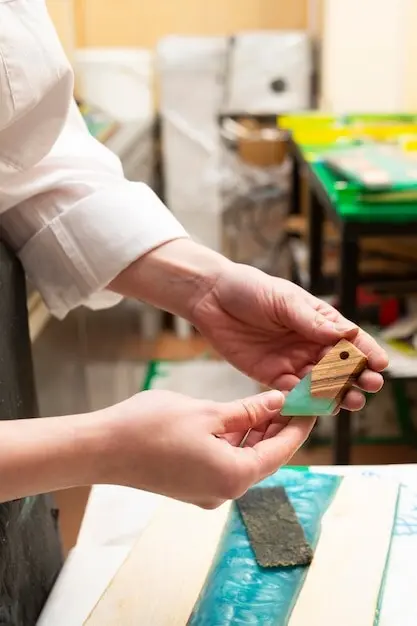
Slow design favors methods that invite patience, rhythm, and repairable connections. Felting transforms loose fiber into cohesive forms without seams. Timber joinery and protective finishes avoid heavy coatings. Carving discovers function inside the grain, not atop it. These practices refine touch and judgment, turning materials into companions and teachers rather than inert supplies awaiting industrial perfection.

Circular Care: Repair, Reuse, and Renewal

Longevity grows from maintenance rituals and reversible choices. Finishes that breathe can be renewed, not stripped. Components designed for disassembly simplify upgrades and recycling. Offcuts and leftovers become new beginnings. Embracing patina, mending techniques, and community repair events aligns daily care with planetary boundaries, proving that stewardship is both practical craft and shared cultural practice.

People and Places: Field Notes and Anecdotes

Craft wisdom grows in conversation with real lives. These glimpses—early mornings, weathered hands, and small victories—reveal how materials sustain communities. They remind us that good objects are social bridges, connecting growers, makers, and users in relationships that outlast trends, amplifying dignity through shared skill and local resilience.

Morning at the Shearing Shed

Steam rises off fresh fleece as a cooperative team moves calmly, classing by staple length and crimp while children sweep lanolin-scented floors. A spinner selects local lots, promising traceable blankets for winter markets. Later, customers recognize the hillside in every stripe, greeting the shepherd by name, closing a gratifying loop of warmth, identity, and fair livelihoods.

A Facade that Learned the Weather

A small studio clad in larch begins golden, then slowly silvers under coastal rain. The builder returns each spring to inspect, tighten a few screws, and celebrate the soft sheen deepening along board edges. Students notice how shadows sharpen on clear days and diffuse in fog, understanding that design maturity can be patiently practiced rather than hurriedly applied.

Join the Craft Commons: Try, Share, Subscribe

Your hands are invited. Explore local fibers, timbers, orchard trimmings, and earthen soils, then share what you learn so others can begin closer to confidence. Post results, ask questions, and subscribe for seasonal prompts. Together we can build a resilient, generous library of place-based practice that grows with each thoughtful experiment and neighborly exchange.

Map Your Local Material Web

Take a slow walk or bike ride, noting flocks, sawmills, groves, potters, demolition yards, and riverbanks. Ask permission, learn names, and sketch flows from waste to resource. Publish your map and invite corrections. Over time, your neighborhood becomes a collaborative studio, revealing overlooked abundance while strengthening trust between growers, makers, caretakers, and curious newcomers.

Prototype with Seasonal Limits

Choose one constraint—only local wool, larch, olive wood, and clay this month—and design something modest yet meaningful. Document tradeoffs, drying times, and failures with humor. Share costs, sources, and hours so others can replicate. Constraints sharpen creativity, honoring materials’ natural rhythms while turning scarcity into a teacher that rewards patience with clarity and usefulness.

Host a Repair Evening

Invite neighbors to mend sweaters, retighten timber joints, sand olive handles, and reclaim clay scraps together. Provide basic tools, a tea kettle, and clear lighting. Celebrate each fix with photos and notes. Rotate hosts, grow a kit, and track saved objects by weight or stories collected. Community care turns maintenance into a festive ritual, uplifting skills and spirits.

Zentovexolentovanipexidarinari
Privacy Overview

This website uses cookies so that we can provide you with the best user experience possible. Cookie information is stored in your browser and performs functions such as recognising you when you return to our website and helping our team to understand which sections of the website you find most interesting and useful.